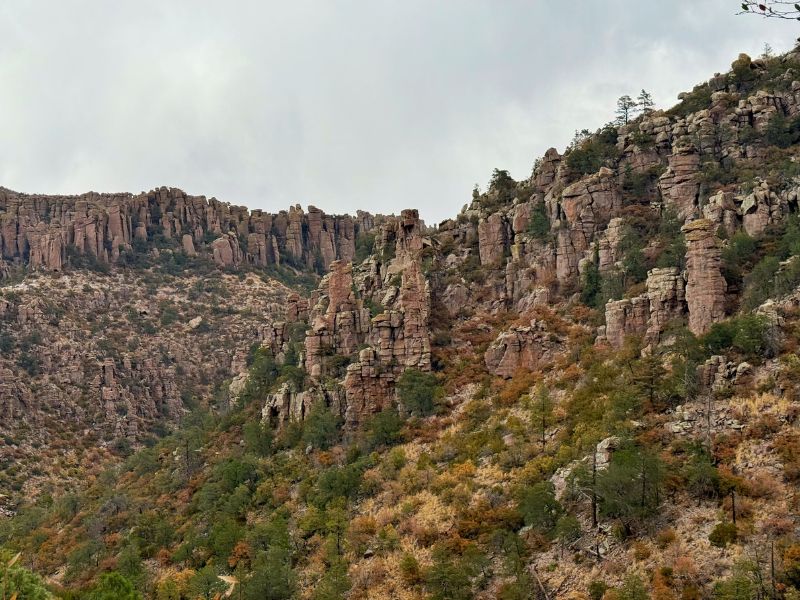
I recommend one full day in Chiricahua National Park for most first-time visitors and two days if you enjoy hiking. Half a day gives you time for the scenic drive, viewpoints, and a short walk, while three or more days allows for more hiking or exploring southeastern Arizona beyond the park.
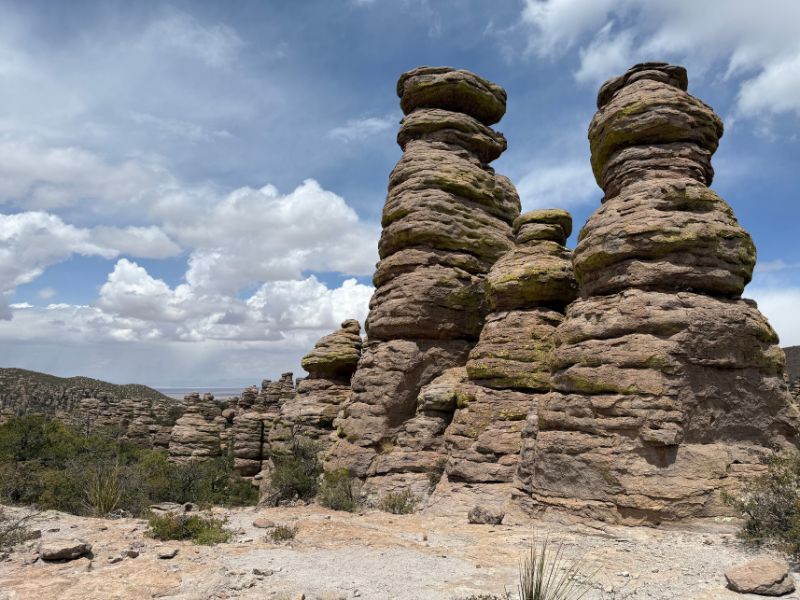
I’ve visited Chiricahua twice, in 2024 and 2025, and have hiked almost all of its trails. What keeps bringing me back is the experience of walking among the formations. The views from the road are impressive, but following a trail between towering pinnacles and seemingly impossible balanced rocks gives you a much better appreciation of this landscape.
How many days do you need in Chiricahua National Park? The biggest deciding factor is how much hiking you want to do. Unlike a sprawling park where driving between attractions fills much of the day, Chiricahua’s main sightseeing areas are connected by one scenic road. You can see the highlights relatively efficiently, but exploring beyond the viewpoints takes more time.
For this guide, a full day means a day available for sightseeing inside the park. Your drive from Tucson, Phoenix, or another destination is additional time, so a day trip and a full park day are not necessarily the same thing.
This post may contain affiliate links, meaning if you book or buy something through one of these links, I may earn a small commission at no extra cost to you! Read the full disclosure policy here
Chiricahua Trip Length at a Glance
If you’re deciding how long to spend in Chiricahua National Park, this table shows what each trip length realistically allows.
| Time in Chiricahua | What you can reasonably do | What you can reasonably do |
|---|---|---|
| Half a day | Drive Bonita Canyon Drive, visit Massai Point, and take a short walk | Road trippers and visitors with limited time |
| 1 Day | Combine the scenic drive and viewpoints with Echo Canyon Loop or several shorter walks | Most first-time visitors |
| 2 Days | Add a longer hike or explore a different part of the trail system without rushing | Hikers and photographers |
| 3+ Days | Hike more extensively, enjoy a slower stay, or explore nearby destinations | Dedicated hikers, campers, and travelers exploring southeastern Arizona |
These are suggested trip lengths rather than a checklist you need to complete. Your hiking pace, weather, lodging location, and interests will determine what comfortably fits into each day.
Is Half a Day Enough for Chiricahua?
Half a day is enough for a worthwhile introduction to Chiricahua or the perfect amount of time for non-hikers, particularly if you prefer scenic drives and shorter walks. I would allow approximately three to four hours inside the park rather than treating it as a quick roadside stop.
Start with the visitor center when open, then follow Bonita Canyon Drive toward Massai Point. The eight-mile scenic road climbs through the park’s rock formations and ends at a viewpoint overlooking the surrounding landscape. Allow time to stop along the way and walk around at the top instead of driving straight up and immediately turning around.
With suitable conditions and enough time, add a short walk such as the Massai Point Nature Trail or an out-and-back toward the Echo Canyon Grottoes. You do not need to complete a long hike to enjoy Chiricahua, but even a shorter trail can help you appreciate the formations from a different perspective.
The main limitation of a half-day visit is how little time you have to explore below the viewpoints. If walking among the pinnacles is what drew you here, I would try to find a full day.
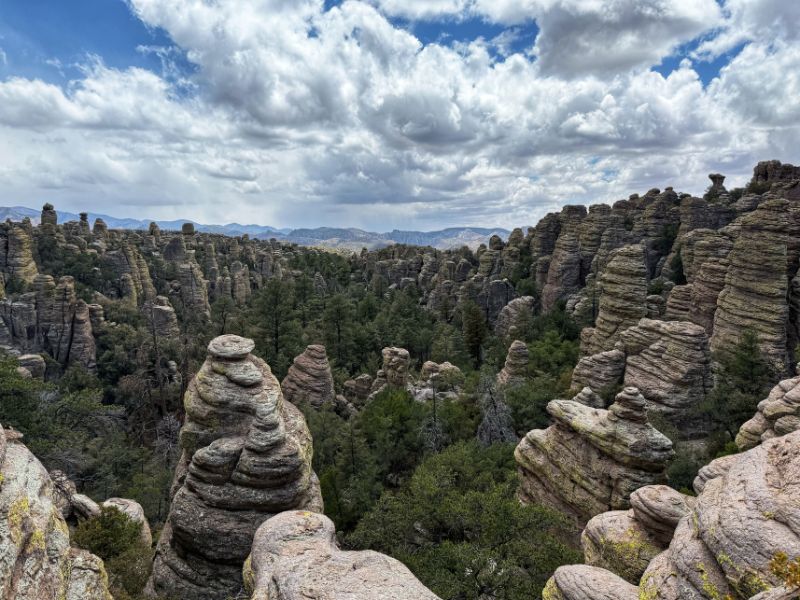
What Can You See in One Day?
When deciding how long to spend in Chiricahua National Park, one full day is a good starting point for most first-time visitors.You will need to choose between a longer route and several shorter activities, but you can leave with a good sense of what makes Chiricahua special.
Morning: Hike Among the Rock Formations
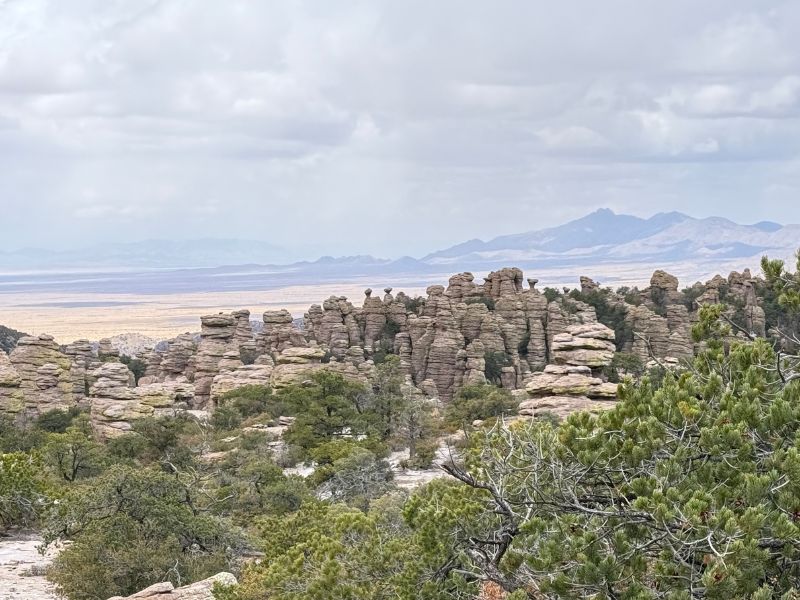
For a balanced first visit, I would make Echo Canyon Loop the main hike of the day. The route combines the Echo Canyon, Hailstone, and Ed Riggs trails, taking you through formations and changing scenery rather than simply out to a single overlook.
The loop is approximately 3.4 miles, with rocky footing and elevation changes. Give yourself time to stop, look around, and enjoy the details rather than judging how long it will take solely by the mileage. The National Park Service recommends hiking counterclockwise, beginning down the Echo Canyon Trail.
If the full loop is more than you want to tackle, walk toward the Grottoes and return the way you came. This gives you a shorter outing among the rocks while leaving more time for other stops.
Afternoon: Scenic Drive, Massai Point, and Park History
After your hike, enjoy a picnic and visit any viewpoints you missed earlier. Massai Point is worth time even if you have already spent the morning hiking, since its broad views help put the landscape you walked through into perspective.
On your way back down the scenic road, stop where parking is available and explore the lower park according to your remaining time and energy. Faraway Ranch Historic District adds a different side of Chiricahua, introducing the people who lived and welcomed visitors here before the area became widely known as a park destination.
You can reverse this schedule if the weather or your arrival time makes another order more sensible. The important part is protecting enough time for your main hike rather than spending the morning at every pullout and starting the trail much later than intended.
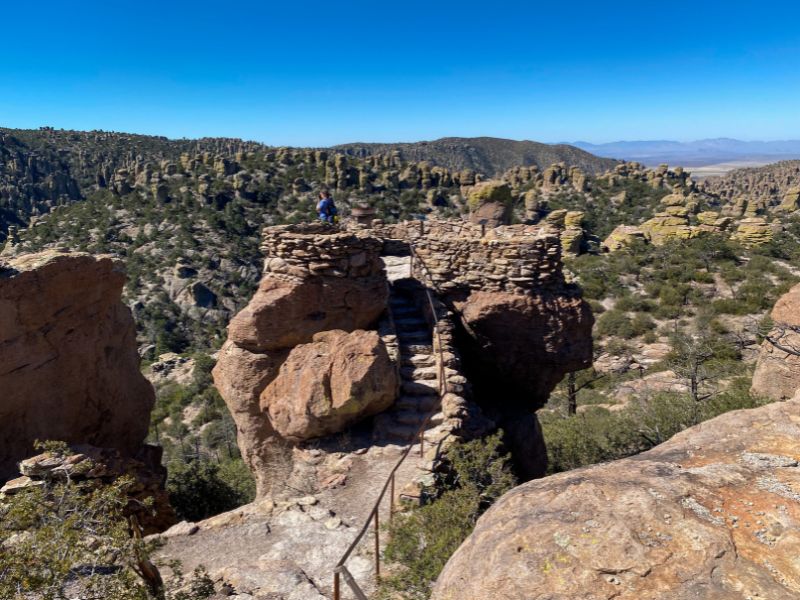
An Alternative One-Day Plan for Experienced Hikers
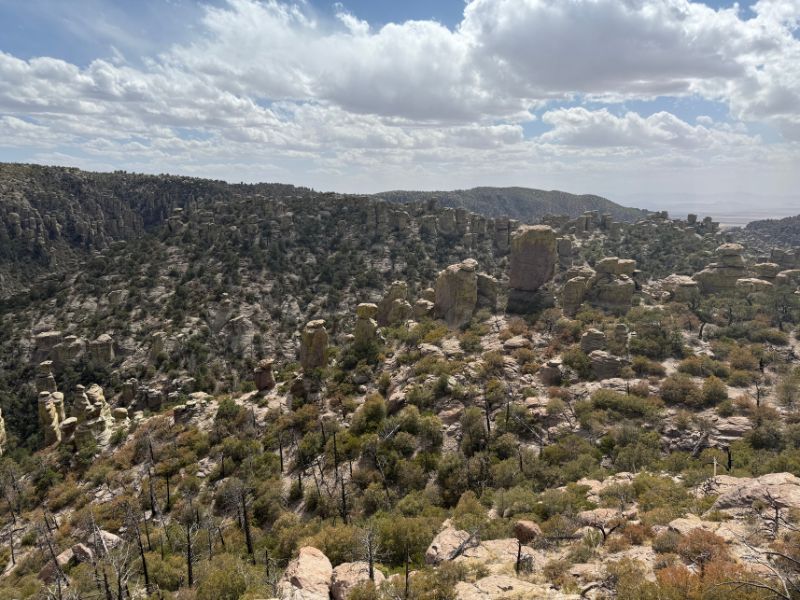
If you want your visit to revolve around hiking, consider the Big Loop instead of the shorter sightseeing plan. This strenuous route connects several trails and major areas, including Echo Canyon and Heart of Rocks, and can occupy most of your day.
The Big Loop should replace much of the itinerary above rather than become an extra activity squeezed into it. Confirm the route and current conditions, start early, and leave enough daylight for the entire hike. You can still appreciate the scenic drive on the way to and from the trailhead, but you should not count on having energy for every additional stop.
Why I Recommend One to Two Days for a First Visit
One day gives most visitors enough time to see Chiricahua’s famous scenery and enjoy a substantial walk. Two days lets you experience more of the trail system without needing to turn the visit into one long, demanding hiking day.
I especially recommend the second day if you want to visit Heart of Rocks, spend time taking photographs, or hike at a comfortable pace. Staying nearby also means you can enjoy an early start without first driving a long distance to reach the park.
A Two-Day Chiricahua Itinerary
Day 1: Scenic Highlights and Echo Canyon. Spend your first day exploring the scenic drive, Massai Point, and Echo Canyon Loop. Add the visitor center and Faraway Ranch according to their availability and your interests, keeping the overall day comfortable enough that you are ready to explore again tomorrow.
Day 2: A Longer Hike or a Different Trail Area. Choose a route that includes Heart of Rocks if you want another substantial hike. If you prefer a shorter outing, consider Sugarloaf Mountain, followed by time in the lower park or at stops you passed on your first day.
Sugarloaf Mountain is approximately 1.8 miles round trip, but the climb and elevation mean it deserves more time than a casual roadside stroll. For longer routes toward Heart of Rocks, compare the starting points and connecting trails before deciding which version fits your day.
Avoid Repeating the Same Trails Unnecessarily
Several of Chiricahua’s named hikes use overlapping sections of trail. A Big Loop hike and a separate Heart of Rocks outing may repeat much of the same ground, so read the route descriptions rather than choosing hikes by name alone.
If you complete the Big Loop on your first day, use the second for a different experience, such as Sugarloaf, Natural Bridge, or the lower park’s history and birding opportunities. If you enjoy returning to a favorite area, that is fine too, but make it an intentional choice.
When Should You Spend Three or More Days in Chiricahua?
Three days is more than most visitors need in this park, but it makes sense if hiking is a major part of your trip. It also works well for travelers who want to explore Chiricahua and the surrounding region without changing accommodations every night.
Explore More of the Trail System
With a third day, you can spread longer hikes across the visit and give yourself time to recover between them. You might spend one day on Echo Canyon and the scenic highlights, another on a route toward Heart of Rocks, and a third on a different trail or shorter outings.
The value of extra time is the opportunity to linger. Chiricahua’s formations are full of details that are easy to miss when you are concentrating on finishing a route before a long drive home.
Slow Down for Photography, Birding, and Camping
A longer stay gives photographers more chances to see the formations in different light and birders more time to watch quietly. You can revisit a viewpoint, take an unhurried morning walk, or spend part of an afternoon enjoying the lower canyon.
Camping can also make a multi-day visit feel more relaxed. Rather than using every daylight hour to justify another day in the park, you can enjoy being there and let the schedule breathe.
What Changes Your Chiricahua Trip Length?
How Much Hiking You Want to Do
How long to spend in Chiricahua National Park depends largely on whether you want short walks, one substantial hike, or several longer routes. A scenic drive and short walks can fit into half a day, while one substantial hike comfortably fills much of a full-day visit.
If you want several longer routes, give yourself two or more days. You will have time to enjoy the formations rather than constantly checking how much mileage remains.
Where You Stay and Your Driving Time
A nearby overnight stay gives you a different amount of usable time from a day trip starting in Tucson. Map the journey from your actual accommodation to the park and your intended trailhead, then add the return drive before deciding how much hiking fits.
Also remember that the paved park road ends at Massai Point. It is not a through-route across the mountains, so you will return along the same road after exploring the upper park.
Time of Year and Weather
Weather can change both your pace and your plans. Summer thunderstorms, winter snow or ice, and changing temperatures at elevation mean a route that looks straightforward on paper may need to be adjusted.
Check the forecast and current park conditions shortly before your visit. If a particular hike is the main reason you are coming, a second day gives you another opportunity when conditions on the first day are unsuitable.
Hiking Ability, Mobility, and Elevation
Chiricahua’s trails can take longer than their distances suggest because of uneven surfaces, stairs, and elevation changes. Choose routes according to your group’s ability and comfort with the terrain, and leave time for breaks.
Travelers who prefer shorter walks can still enjoy the park’s scenery, but should look up individual routes rather than assume every nature trail is flat. A slower pace is a reason to allow more time, not a reason to feel you need to rush.
Photography, Birding, and Wildlife Watching
If you like to stop frequently for photographs or spend time watching birds, plan fewer activities each day. Those pauses are part of your visit rather than interruptions to the itinerary.
Chiricahua is also a place where an unexpected sighting can become a highlight. One of my memorable experiences here was seeing a Gould’s turkey, and I always like leaving room for those moments instead of filling every hour.
Vehicle Size and Access
If you are traveling in an RV, check the current vehicle restrictions before planning to drive to the upper trailheads. The scenic drive has a 24-foot vehicle limit and does not allow trailers, so some campers will need a separate, suitable vehicle to reach the upper park.
Sort this out before arrival, particularly if your hiking plan depends on starting at Echo Canyon or Sugarloaf. Check and make sure the park hiker shuttle is running.
How Many Days Do You Need for Chiricahua and Nearby Attractions?
For a trip that combines Chiricahua with other southeastern Arizona destinations, I would start with three to four days. Spend one or two days inside the park, then add separate days for the nearby places that interest you most.
Fort Bowie National Historic Site
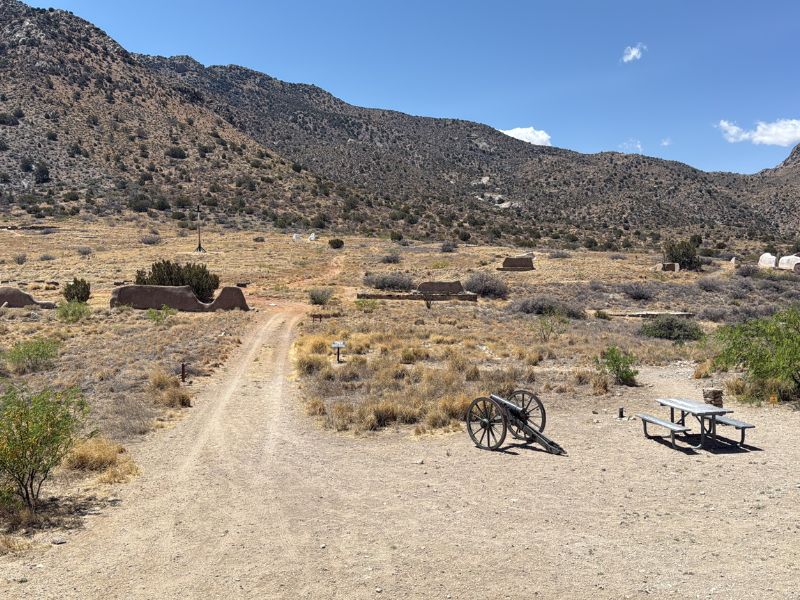
Chiricahua and Fort Bowie make a worthwhile combination for travelers interested in both landscapes and regional history. Give Fort Bowie its own block of time rather than treating it as a quick roadside stop after an exhausting hike.
The standard visit involves a three-mile round-trip walk to the visitor center and fort ruins. Check the approach roads and visitor information before leaving, particularly if you are considering an unpaved route between destinations.
Kartchner Caverns State Park
Kartchner Caverns is my favorite cave in the United States, including the caves managed by the National Park Service. If you enjoy caves, I would seriously consider including it in a southeastern Arizona trip.
Plan around an available cave tour and the drive between destinations rather than assuming you can arrive whenever you like. It can work well as a separate day or a stop when moving between Chiricahua and the Tucson area.
Saguaro National Park
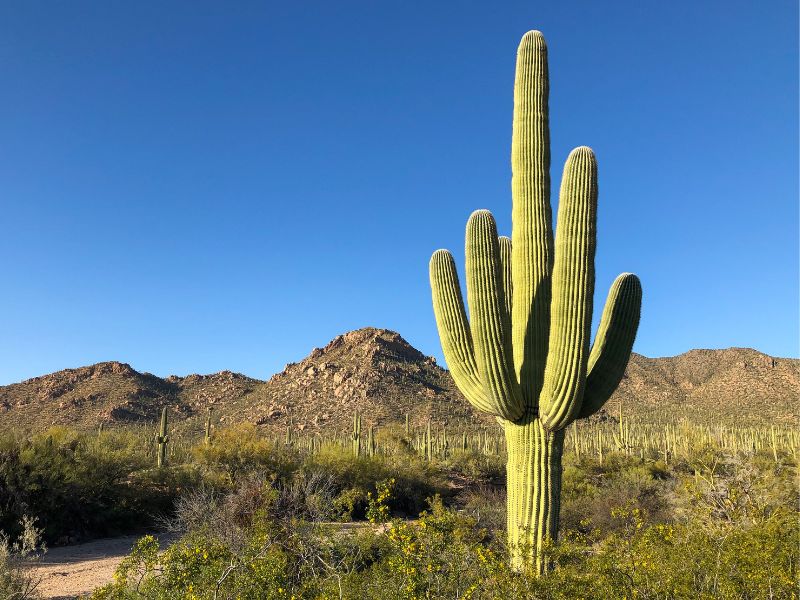
If you want to combine Chiricahua with Saguaro National Park, I would plan three to four full sightseeing days, plus any additional arrival and departure time. Spend one or two days exploring Chiricahua’s rock formations, then give Saguaro two days so you can visit both its eastern and western districts without rushing.
This combination offers two very different Arizona landscapes: Chiricahua’s pinnacles and forested canyons alongside Saguaro’s cactus-covered desert. Group your Saguaro sightseeing by district and account for the drive between Tucson and Chiricahua when deciding where to stay. If longer hikes are a priority in both parks, add another day rather than squeezing them around the transfer.
My Recommendation for Your Trip
If you have half a day, drive Bonita Canyon Drive, spend time at Massai Point, and choose a short walk. You can have a memorable visit as long as you accept that you are getting an introduction rather than exploring the whole trail system.
For most first-time visitors, I recommend one full day. That gives you enough time to combine viewpoints with Echo Canyon Loop or several shorter walks, which is a good balance of sightseeing and hiking.
If hiking is a priority, choose two full days. You can add a longer route, explore another part of the park, and enjoy the scenery without rushing through everything in a single day.
With three or more days, decide whether you want additional park time or a broader southeastern Arizona trip. Both are worthwhile, but your interests should determine the extra days.
Frequently Asked Questions
Is Half a Day Enough for Chiricahua National Park?
Half a day is enough for the scenic drive, Massai Point, and a short walk if conditions allow. I would plan approximately three to four hours inside the park and allow additional time for the drive to and from your lodging.
Can You See Chiricahua in One Day?
Yes, one full day is enough for many first-time visitors to enjoy the main scenic areas and a substantial hike. You will need to choose priorities, particularly if you are considering a longer route such as the Big Loop.
Is Two Days Too Much Time in Chiricahua?
Two days is a good choice if you enjoy hiking, photography, or a slower pace. If you only want viewpoints and short walks, one full day will likely suit you better, with extra time spent elsewhere in the region.
How Long Does Bonita Canyon Drive Take With Stops?
For planning purposes, I would set aside roughly one to two hours for an unhurried drive up and back with several brief stops. Add more time for the visitor center, a picnic, or walking around Massai Point, and remember that this is a suggested allowance rather than a fixed driving time.
Can You Enjoy Chiricahua Without a Long Hike?
Yes, the scenic drive and upper viewpoints offer impressive views without committing to a long trail. Shorter walks can add to the experience, but check their surfaces and grades before choosing one for your group.
Can You Hike the Big Loop and See the Park in One Day?
Experienced hikers can make the Big Loop the focus of a full-day visit, with scenic stops along the drive as time allows. I would not plan another substantial hike or a packed sightseeing schedule afterward.
Is Chiricahua Worth a Day Trip From Tucson?
Yes, if you are comfortable with the driving involved and start early enough to enjoy the park. Check the travel time from your exact starting point and keep the hiking plan realistic, especially if you will be driving back after a demanding route.
Should You Stay Overnight Near Chiricahua?
An overnight stay is helpful if you want two hiking days, an early start, or less driving on either side of your visit. For a scenic visit with short walks, a day trip can work well if your starting point is within a comfortable driving distance.
Plan Your Chiricahua Trip With Your Park People
Your ideal Chiricahua trip length depends on how much hiking you want to do, but I recommend one full day for most first-time visitors and two days for hikers. Choose the experiences that interest you most, allow time for the drive, and leave room to enjoy the details along the trail. If you need help choosing hikes or fitting Chiricahua into an Arizona road trip, join my National Park Trip Planning Facebook group to ask questions and learn from other travelers’ experiences.
Pin for Later: How Many Days Do You Need in Chiricahua National Park?

Hi, I'm Jennifer!

Welcome to the wonderful world of National Parks. I'm here to help you plan your NEXT amazing adventure through the United States National Parks and beyond. I want the national parks to be accessible to all.
I live in Tennessee, and when I'm home, you can find me hiking in the Smokies and the Cumberland Plateau.
58/63 National Parks
250+/423 National Park Units
Want to know more? Start Here.
Snag one of my National Park Ebooks and Downloadable Itineraries
Talk with an Expert

Share your love of the parks with a shirt, ornaments, hoodies, frames, and more.