



New Hampshire does not have a site with the official designation “National Park,” but it is home to two places managed by the National Park Service: Saint-Gaudens National Historical Park and the Appalachian National Scenic Trail.
Saint-Gaudens preserves the home, studios, gardens, and artwork of one of America’s most influential sculptors. Farther north, approximately 160 miles of the Appalachian Trail cross New Hampshire, including some of the trail’s most rugged and spectacular mountain terrain.
This guide covers both National Park Service sites in New Hampshire, including what to see, when to visit, entrance fees, suggested trip lengths, and how to incorporate them into a larger New England National Park road trip..
This post may contain affiliate links, meaning if you book or buy something through one of these links, I may earn a small commission at no extra cost to you! Read the full disclosure policy here
New Hampshire National Parks at a Glance
- How many NPS sites are in New Hampshire? 2
- Official National Parks: 0
- NPS sites:
- Appalachian National Scenic Trail
- Saint-Gaudens National Historical Park
- Only place-based NPS unit: Saint-Gaudens National Historical Park
- Best time to visit: Late spring through fall
- Best for history and art: Saint-Gaudens
- Best for hiking: Appalachian Trail
- Most famous nearby federal land: White Mountain National Forest
- Time needed:
- One day for Saint-Gaudens
- Varies for the Appalachian Trail
Map of National Parks in New Hampshire
The 2 National Parks in New Hampshire
New Hampshire has two National Park Service sites, but neither has the official designation “National Park.” The two sites are:
- Appalachian National Scenic Trail
- Saint-Gaudens National Historical Park
The difference is mostly about official naming. The National Park Service manages more than 400 places with many different designations, including National Parks, National Historical Parks, National Monuments, National Seashores, National Recreation Areas, and National Scenic Trails.
Travelers frequently use “National Parks” as a general term for all of these NPS-managed places. That is why you will often see Saint-Gaudens and the Appalachian Trail described as the two National Parks in New Hampshire, even though neither is one of the 63 sites officially designated as a National Park.
Appalachian National Scenic Trail
The Appalachian National Scenic Trail stretches for more than 2,190 miles between Georgia and Maine and passes through 14 states. Approximately 160 miles of the trail cross New Hampshire, including extensive sections in White Mountain National Forest.
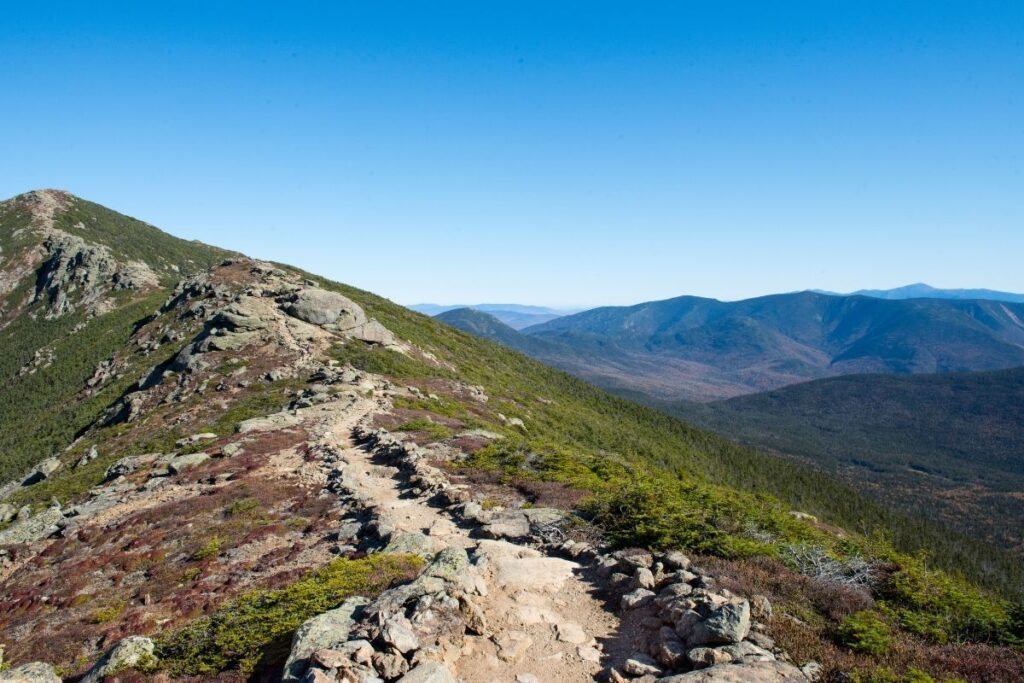
New Hampshire has a reputation as one of the Appalachian Trail’s most physically demanding states. The trail crosses steep, rocky terrain and climbs into exposed alpine environments where weather can change rapidly. The mileage may look manageable on paper, but hikers often move more slowly here than they expect.
You do not need to be a thru-hiker to experience the Appalachian Trail. New Hampshire has options ranging from short walks near Hanover to strenuous full-day hikes and multi-day trips through the White Mountains.
The best hike depends on your experience, available time, transportation, and current conditions. These are several popular ways to experience the trail.
Best Appalachian Trail Hikes in New Hampshire
Hanover Appalachian Trail Walk
The Appalachian Trail passes directly through Hanover, making this one of the easiest places to step onto the trail in New Hampshire. Choose a short out-and-back walk or use the area as the starting point for a longer section hike.
Mount Moosilauke
The Appalachian Trail crosses Mount Moosilauke, offering open summit views and a classic introduction to New Hampshire’s higher terrain. Routes to the summit are strenuous and can be steep, so choose the trailhead and route that match your experience.
Franconia Ridge
Franconia Ridge is one of New Hampshire’s most famous hikes. Part of the loop follows the Appalachian Trail across an exposed ridge with sweeping mountain views. It is also a long, strenuous hike with significant elevation gain, rapidly changing weather, and extremely limited protection above treeline.
Mount Pierce and the Presidential Range
Mount Pierce provides access to the Appalachian Trail in the Presidential Range. It offers impressive views and is often considered more approachable than the highest summits nearby, but it is still a substantial mountain hike requiring preparation.
Mount Jackson
Mount Jackson is another popular Presidential Range option that connects with the Appalachian Trail. The summit offers broad views when conditions are clear. Expect rocky footing, elevation gain, and mountain weather.
Zealand Falls and the Zealand Area
The Zealand area offers a woodland approach to the Appalachian Trail and access to Zealand Falls Hut. It is a good alternative for hikers who want an Appalachian Trail experience without spending the entire day on an exposed ridge.
Before selecting a hike, verify the route, mileage, elevation gain, parking rules, weather forecast, and trail conditions. A trail that is appropriate on a calm summer day may be dangerous in high winds, thunderstorms, ice, snow, or poor visibility.
How Difficult Is the Appalachian Trail in New Hampshire?
New Hampshire’s section of the Appalachian Trail is generally considered difficult. Hikers should expect:
- Steep ascents and descents
- Rocky and uneven footing
- Exposed ridgelines
- Fast-changing mountain weather
- Long sections without easy road access
- Slower travel than the mileage may suggest
- Limited cell service
Carry appropriate layers, rain protection, food, water, navigation tools, and emergency essentials, even on a day hike. Turn around if conditions deteriorate. The mountains will still be there for another trip.
Appalachian Trail Fees and Permits
There is no single entrance fee for hiking the Appalachian Trail. However, the trail crosses land managed by different agencies and organizations. Parking areas, campsites, shelters, huts, and overnight facilities may charge fees or require reservations.
Research the specific section you plan to hike rather than assuming every access point follows the same rules. Overnight hikers should also review current camping regulations and food-storage requirements.
Where to Stay Along the Appalachian Trail in New Hampshire
Accommodation options vary considerably along the trail and may include:
- Backcountry shelters and tent sites
- Appalachian Mountain Club huts
- Public and private campgrounds
- Hiker hostels
- Hotels and inns in gateway communities
Hanover, Lincoln, North Conway, Gorham, and other communities can serve as useful bases, depending on the section you plan to hike. Do not assume a hut or shelter will have space. Research reservations and camping rules before starting an overnight trip.
Saint-Gaudens National Historical Park
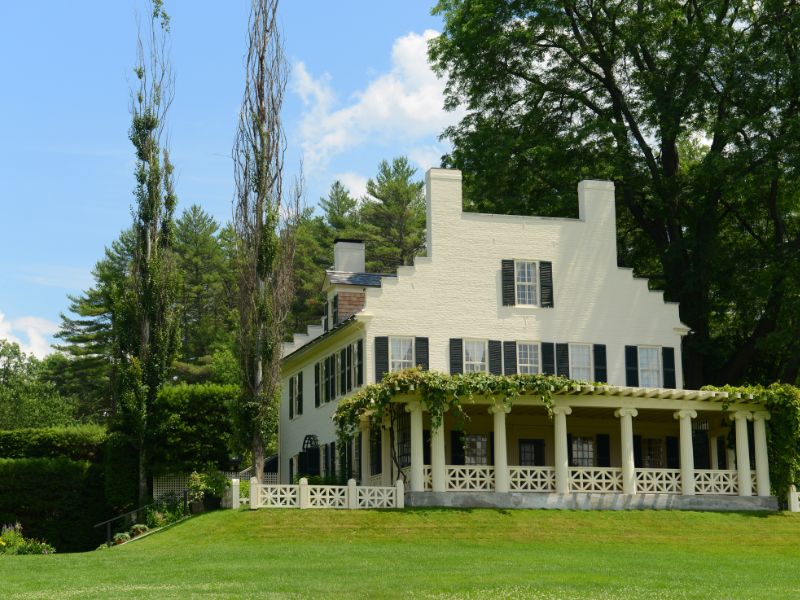
Saint-Gaudens National Historical Park preserves the home, studios, gardens, and artwork of Augustus Saint-Gaudens, one of the most influential American sculptors of the late 19th and early 20th centuries.
Saint-Gaudens first came to Cornish in 1885 and used the property as his summer residence. He later lived and worked there year-round until his death in 1907. His presence helped attract other painters, sculptors, writers, architects, and performers to the area, creating the artistic community known as the Cornish Colony.
Today, visitors can explore historic buildings, sculpture galleries, formal gardens, woodland trails, and views across the Connecticut River Valley toward Mount Ascutney. The combination of art, landscape, and history makes Saint-Gaudens unlike almost any other National Park Service site.

Why Visit Saint-Gaudens National Historical Park?
Saint-Gaudens is a great choice for travelers interested in art, architecture, American history, gardens, or quieter National Park sites. You do not need to know anything about sculpture before visiting. The grounds and exhibits make Saint-Gaudens’s work approachable, while ranger programs help connect his art to the larger story of American identity.
The park is also easy to combine with nearby attractions in Vermont and New Hampshire. It works especially well as part of a weekend in the Upper Connecticut River Valley or a longer New England National Park road trip.
Best Things to Do at Saint-Gaudens National Historical Park
Explore Aspet
Aspet was the Saint-Gaudens family home. Its rooms help tell the story of the artist, his family, and the creative community that developed around Cornish. Access may depend on staffing and seasonal operations, so check the park schedule before your visit.
Visit the Little Studio
The Little Studio served as one of Saint-Gaudens’s primary workspaces. Today, it contains sculpture displays and helps visitors understand how he developed his pieces from early models to finished works.
See the Sculpture Galleries
The park displays works associated with Saint-Gaudens throughout its studios, galleries, gardens, and grounds. Look for pieces connected to some of his best-known commissions, including the Robert Gould Shaw and Massachusetts 54th Regiment Memorial and the standing Abraham Lincoln.
Walk Through the Gardens
The formal gardens, hedges, pools, and outdoor sculptures are an important part of the Saint-Gaudens experience. Give yourself time to wander instead of treating the park like a traditional indoor museum.
Hike the Woodland Trails
Saint-Gaudens has several short recreational trails through the wooded portions of the property. A walk is a good way to add nature to a visit focused primarily on art and history.
Attend a Ranger Program or Special Event
Programs may include guided walks, art activities, temporary exhibits, concerts, and other seasonal events. Check the official Saint-Gaudens calendar before your trip.
Complete the Junior Ranger Program
Families can ask about the Junior Ranger program at the visitor center. Adults can participate, too. It is an excellent way to notice details you might otherwise miss.
How Much Time Do You Need at Saint-Gaudens?
Allow at least two to three hours to see the main studios, galleries, sculptures, and gardens. Half a day gives you enough time to explore at a more relaxed pace and add one of the woodland trails.
Plan most of a day if you want to attend a guided program, concert, workshop, or special event. Always check the schedule first because building access and programs vary by season and staffing.
Saint-Gaudens Operating Hours and Seasons
The park grounds and trails are open during daylight hours throughout the year. However, walkways are not maintained in winter and may be icy or covered with snow between November and May.
As of 2026, the visitor center, Little Studio, Picture Gallery, and New Gallery are generally open Thursday through Monday from Memorial Day weekend through October 31. Aspet is open during select hours when staffing allows. Since operating schedules can change, confirm the current Saint-Gaudens hours before visiting.
Saint-Gaudens Entrance Fee
As of 2026, Saint-Gaudens charges a $10 entrance fee for each visitor age 16 or older during the main visitor season. Children age 15 and younger enter free. The pass is valid for seven days, and America the Beautiful passes are accepted.
The park is cashless, so bring a debit or credit card or purchase a digital pass in advance. Check the official fees and passes page for current prices before your trip.
How to Get to Saint-Gaudens National Historical Park
The main park entrance is located at:
139 Saint Gaudens Road
Cornish, New Hampshire 03745
The park is about 12 miles south of West Lebanon along New Hampshire Route 12A. Parking is available near the visitor center, with accessible spaces and an additional overflow area.
Do not blindly follow your GPS. Some navigation apps may direct visitors over unpaved backroads. RVs, buses, and other large vehicles should also avoid the historic Cornish-Windsor Covered Bridge and use an unrestricted Connecticut River crossing at West Lebanon or Ascutney instead. Review the official driving directions before leaving.
Where to Stay Near Saint-Gaudens
Cornish is rural and has limited accommodations. Look for hotels, inns, or vacation rentals in:
- Lebanon or West Lebanon, New Hampshire
- Hanover, New Hampshire
- Windsor, Vermont
- White River Junction, Vermont
- Woodstock, Vermont
Windsor is the closest larger community, while Lebanon and White River Junction offer more lodging and dining choices.
Can You Visit Both New Hampshire NPS Sites on One Trip?
Yes, but the amount of time you need depends on which section of the Appalachian Trail you want to hike. Saint-Gaudens and the trail are not one compact park complex.
You can visit both sites during a weekend if you choose a relatively short Appalachian Trail hike. If you want to hike Franconia Ridge, Mount Moosilauke, or a Presidential Range summit, give the trail a full day and avoid scheduling a long drive afterward.
Two-Day New Hampshire National Parks Itinerary
Day 1: Saint-Gaudens National Historical Park
Spend the morning or early afternoon exploring the studios, galleries, sculptures, formal gardens, and historic grounds. Add one of the woodland trails if time allows.
Afterward, explore the Upper Connecticut River Valley. Depending on where you are staying, you could visit Windsor, Woodstock, Hanover, or another nearby community.
Day 2: Appalachian Trail Day Hike
Choose a trail based on your hiking experience and overnight location. A short walk near Hanover creates a relaxed second day. Experienced hikers can dedicate the day to Mount Moosilauke, Franconia Ridge, or a Presidential Range hike.
Check the weather and trail conditions the evening before and again that morning. Keep a lower-elevation backup plan in case the mountain forecast is unsafe.
For a more relaxed trip, turn this into a three-day itinerary and use the extra day for driving, another White Mountain hike, or nearby Vermont National Park sites.
Best Time to Visit New Hampshire’s National Park Sites
Spring
Spring brings melting snow, mud, swollen streams, and lingering ice to higher elevations. Saint-Gaudens buildings generally remain closed until Memorial Day weekend, although its grounds and trails are open during daylight hours.
This can be a quiet time to visit lower elevations, but hikers should not assume that warm weather in town means snow-free conditions in the mountains.
Summer
Summer offers the most reliable access to Saint-Gaudens buildings, ranger programs, and high-elevation hiking. It is also a busy season. Popular trailhead parking lots can fill early, and thunderstorms can make exposed ridges dangerous.
Fall
Fall combines cooler hiking temperatures with New Hampshire’s famous foliage. It is one of the most beautiful times to visit both Saint-Gaudens and the Appalachian Trail, but it is also extremely popular. Reserve lodging early and expect congestion on peak foliage weekends.
Shorter days and early-season ice become concerns later in the fall. Saint-Gaudens buildings generally close after October 31.
Winter
The grounds and trails at Saint-Gaudens remain open during daylight hours, but buildings are closed and walkways may be icy or snow-covered. Winter travel on the Appalachian Trail requires specialized skills and equipment, especially above treeline.
For most first-time visitors, summer and early fall provide the easiest combination of access and activities.
National Park Sites Near New Hampshire
You can combine the two New Hampshire National Park sites with several NPS destinations in neighboring states.
Vermont
- Marsh-Billings-Rockefeller National Historical Park: Explore conservation history, a historic mansion, gardens, and carriage roads in Woodstock.
- Appalachian National Scenic Trail: The trail also crosses Vermont before entering New Hampshire at Hanover.
Maine
- Acadia National Park: Maine’s only site with the official National Park designation offers granite mountains, rocky coastline, carriage roads, and historic communities.
- Appalachian National Scenic Trail: The trail continues through Maine to its northern endpoint on Katahdin.
Massachusetts
- Lowell National Historical Park: Learn about the American Industrial Revolution and Lowell’s textile mills.
- Minute Man National Historical Park: Explore the opening battles of the American Revolution.
- Boston National Historical Park: Visit major sites connected to the American Revolution in and around Boston.
A longer New England road trip could combine Saint-Gaudens, Marsh-Billings-Rockefeller, Acadia, and selected Appalachian Trail hikes with historic sites in Massachusetts.
Frequently Asked Questions about New Hampshire National Parks
Does New Hampshire have any national parks?
New Hampshire does not have a site with the official designation “National Park.” It does have two places managed by the National Park Service: Saint-Gaudens National Historical Park and the Appalachian National Scenic Trail.
>>> Learn more about the different NPS designations.
How many national parks does New Hampshire have?
There are two National Park Service sites associated with New Hampshire. Saint-Gaudens is a place-based National Historical Park in Cornish, while the Appalachian National Scenic Trail crosses the state from Vermont toward Maine.
What are the two national parks in New Hampshire?
The two sites commonly described as New Hampshire’s National Parks are Saint-Gaudens National Historical Park and the Appalachian National Scenic Trail.
Is White Mountain National Forest a National Park?
No. White Mountain National Forest is not a National Park and is not managed by the National Park Service. It is managed by the U.S. Forest Service, an agency within the Department of Agriculture. However, much of New Hampshire’s Appalachian Trail passes through White Mountain National Forest.
Is Mount Washington in a National Park?
No. Mount Washington is not located in a National Park. The summit and surrounding mountain landscape are associated with state lands and White Mountain National Forest. The Appalachian Trail passes nearby through the Presidential Range.
Can You Visit Both New Hampshire National Park Sites in One Weekend?
Yes. Spend half a day at Saint-Gaudens and devote the second day to an Appalachian Trail hike. Choose a trail that fits your ability, available daylight, weather, and driving schedule.
What Is the Best Time to Visit New Hampshire’s National Park Sites?
Summer and early fall are the easiest seasons for most visitors. Saint-Gaudens buildings and visitor services operate seasonally, while high-elevation Appalachian Trail hikes are generally most accessible during the warmer months. Fall offers beautiful foliage but larger crowds.
Final Thoughts on the National Parks of New Hampshire
INew Hampshire may not have a site with the official “National Park” designation, but its two National Park Service sites offer two very different experiences. At Saint-Gaudens, you can explore American art, historic studios, gardens, and woodland trails. Along the Appalachian Trail, you can experience some of New England’s most dramatic and challenging mountain scenery.
Have you visited either of New Hampshire’s National Park Service sites? Tell me which one you visited and what you enjoyed most. If you need help planning your next park trip, join my amazing National Park Trip Planning Facebook community.
Pin for Later: Explore the 2 New Hampshire National Parks

Hi, I'm Jennifer!

Welcome to the wonderful world of National Parks. I'm here to help you plan your NEXT amazing adventure through the United States National Parks and beyond. I want the national parks to be accessible to all.
I live in Tennessee, and when I'm home, you can find me hiking in the Smokies and the Cumberland Plateau.
58/63 National Parks
250+/423 National Park Units
Want to know more? Start Here.
Snag one of my National Park Ebooks and Downloadable Itineraries

Talk with an Expert

Share your love of the parks with a shirt, ornaments, hoodies, frames, and more.


2 Comments
robert a fowler
Am interested in touring national parks in New England States beginning Sept. 16, 2020 and want to know if RV parking will be available
Jennifer Melroy
You will need to check out the individual campgrounds and with the parks for RV parking availability.