It was a cold, dreary morning in May 2010, and I was waiting for Old Faithful to erupt just after sunrise. While I waited, I met an older couple celebrating the completion of their journey to all the National Parks by returning to Yellowstone, the first park they had visited. At the time, I knew the famous parks, but I had never even heard of the National Park of American Samoa. By the end of our conversation, I had decided I wanted to visit them all, too.
I was 19 and had just finished my first year of college. I’m not sure I truly expected to complete the goal, but more than 16 years later, I have explored 59 of the 63 U.S. National Parks, several of them more than once. The journey has taken longer than I initially imagined, thanks in part to a certain global pandemic, but I’m closer than ever to reaching all 63.
Along the way, I’ve learned that visiting every National Park is about much more than checking names off a list. You have to decide what counts as a visit, group parks into realistic regional trips, plan early for competitive reservations, and save for remote destinations in Alaska, Hawaii, American Samoa, and the U.S. Virgin Islands. Most importantly, give yourself enough time to experience each park in a way that matters to you. Here are 13 things I wish I had known before I started trying to visit all the National Parks.
This post may contain affiliate links, meaning if you book or buy something through one of these links, I may earn a small commission at no extra cost to you! Read the full disclosure policy here
17 Things I Wish I Knew Before Trying to Visit All the National Parks
What I’ve Learned While Trying to Visit All 63 National Parks
These are the personal lessons I have learned during more than 16 years of working toward my goal. They may not change how you plan a trip, but they can change how you experience the journey.
The List of National Parks Can Change
It never occurred to me when I started this quest that the goalposts might move. On the day I decided to visit every National Park, there were 58 of them. Three years later, I visited my 27th National Park. I was officially halfway done and had plans to check off a few more parks that summer.
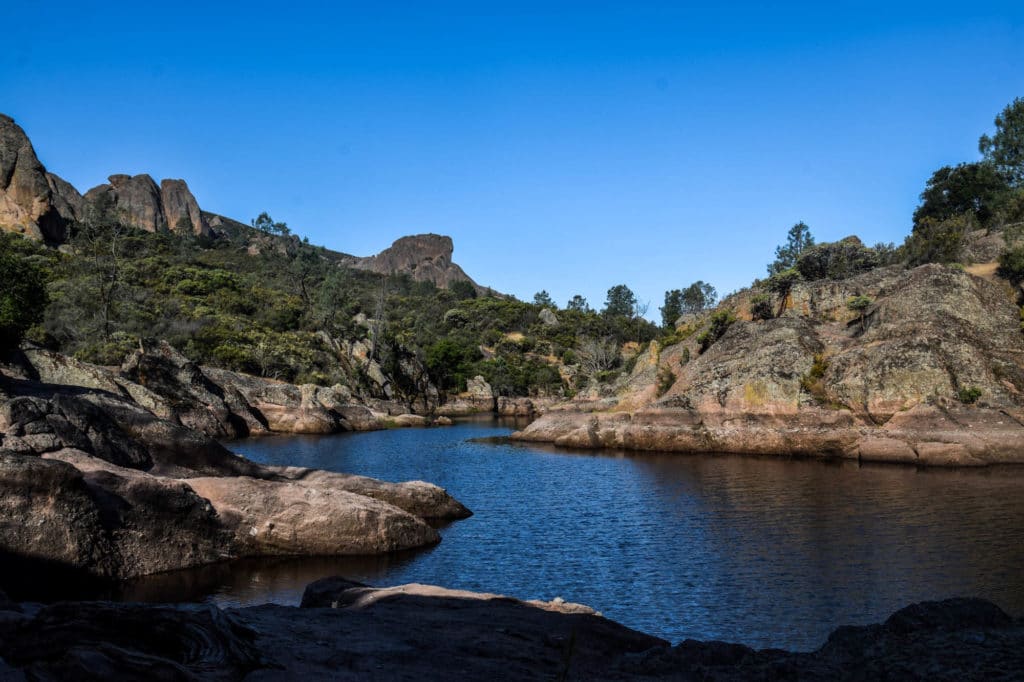
Then Congress gave me a little surprise. On January 10, 2013, Pinnacles National Monument became a National Park. Suddenly, there were 59 National Parks, and I went from being 50% finished to about 46%. I was not a happy camper. I liked being halfway done, and then I wasn’t.
As of August 2026, there are 63 National Parks. That means that during roughly every three years I have been pursuing this goal, another National Park has been added. At this point, I mostly laugh it off. The list can change, and anyone working toward all 63 needs to accept that the finish line may move again.
Decide What Counts as Visiting a National Park
Visiting all the National Parks is a personal goal. There is no cash prize waiting at the end and no massive crowd of screaming fans watching you cross the finish line. Most likely, there will be a small group of friends and family and, if you are lucky, a bottle of champagne.
There are no official rules for completing this adventure, beyond following federal law and National Park Service regulations. You get to define what counts as a National Park visit for you.
Personally, I do not count a park unless I hike or kayak at least four miles, or complete another major activity in a park where hiking is not practical. From the discussions we have had in one of Facebook’s best National Park groups, I have learned that everyone defines a visit differently. For some people, like me, a good long hike counts. Others simply want to set foot inside the park. Pretty much everyone agrees that if the visit counts to you, it counts.
There Is No Right or Wrong Way to Experience a National Park
I have met people from all walks of life while exploring the parks. They range from young children to retirees, and they visit the parks for countless reasons. Some people love long day hikes. Others want to spend the day watching wildlife or exploring scenic drives. Everyone’s interests are different, and their park visits should reflect that.
There are iconic features in every park that people call must-sees, and I generally suggest making time for them. But your trip should focus on what makes you most excited to be there.
In Yellowstone National Park, for example, you can meet some fascinating people in Lamar Valley, Norris Geyser Basin, or Upper Geyser Basin. Lamar Valley has its Wolf Watchers, who may spend most of a trip along the roadside observing Yellowstone’s wolf packs.
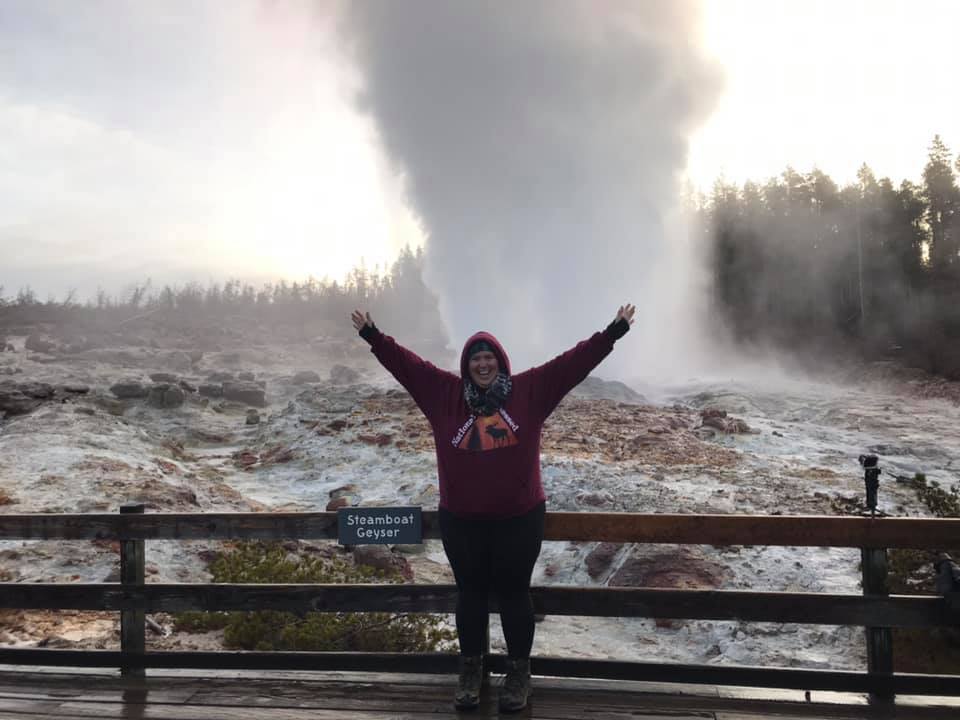
In the geyser basins, you will find Geyser Gazers waiting patiently for eruptions. At Norris, they may spend days beside Steamboat Geyser hoping to see it erupt. I know because I once spent three days waiting with them. For those visitors, patiently watching a geyser is not time wasted. It is exactly how they want to experience Yellowstone.
Your Travel Style Will Change Along the Way
I was 19 when I decided to visit every National Park. At that point, I was a college student traveling on school breaks and a very limited budget. Later, I became a full-time field engineer and used work trips, weekends, vacation days, and cross-country moves to reach more parks. The way I traveled at the beginning of this journey is not the way I travel now.
Your interests will change, too. You may start out wanting to complete the longest hike in every park and later become more interested in wildlife, photography, history, scenic drives, or slower trips. Your budget, physical abilities, available vacation time, preferred accommodations, and travel companions may also change before you reach all 63.
Do not become so attached to the version of this goal you created at the beginning that you stop enjoying it. Your definition of a meaningful park experience can evolve with you. Changing how you travel does not make the visits less legitimate. It simply means this is a long-term journey rather than a single trip.
Don’t Feel Guilty About Revisiting a National Park
Unless you have unlimited time and money, you probably will not see everything you want during your first visit. Most parks require multiple trips to experience everything on your bucket list. This is your journey, and there is no reason you cannot revisit a park before completing all 63.
I have returned to several parks. I have visited Theodore Roosevelt National Park several times. I can’t drive I-90 without stopping. On my first trip, I explored the North and South Units and completed most of the major shorter hikes. My second visit was included the park’s third unit (not worth going to visit unless YOU LOVE President Teddy Roosevelt) and I was supposed to do two longer hikes, but an injury I sustained in Isle Royale National Park changed those plans. My other visits mostly include watching for coyotes and badgers hunting in prarie dog towns.
I have also visited Yellowstone a dozen times since beginning this journey. I cannot help but stop whenever I am in the area. Those visits have ranged from a quick day trip to a two-week stay.
I visited Kings Canyon National Park twice because the main section was still closed by snow during my first late-spring trip. I returned in late summer so I could finally see Kings Canyon and hike there.
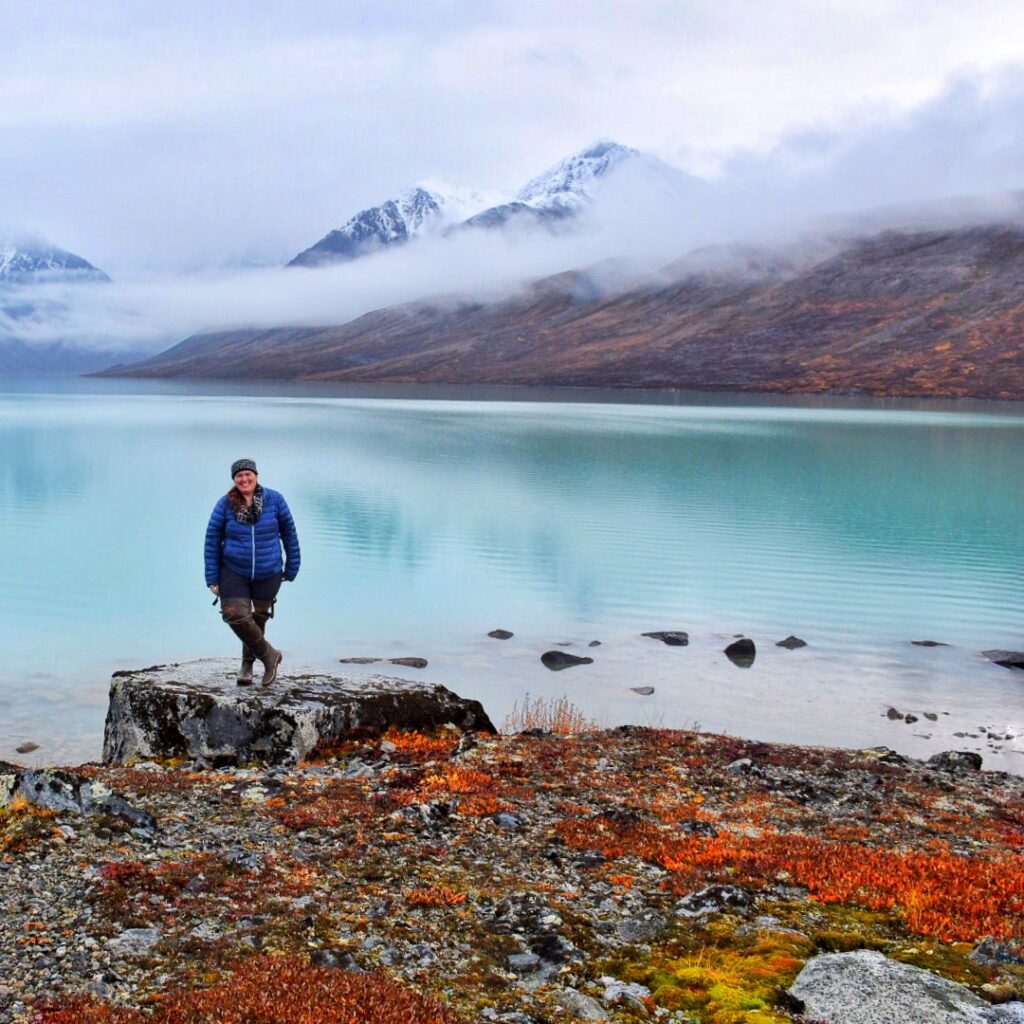
Technically, I met my visit requirement in Wrangell-St. Elias National Park on my first visit. I hiked four miles and spent a day and a half inside this massive 12-million-acre park. Even so, I knew I would want to return.
Enjoy Each Park Instead of Racing Through the List
It is easy to become so focused on visiting all 63 National Parks that you forget to appreciate the one in front of you. You do not always need to be thinking about the next park. Do not let your goal become nothing more than checking names off a National Park checklist.
Stop and enjoy the sunrise. Sit beside the geyser and wait for it to erupt. Spend an extra day so you can hike the incredible trail another traveler told you about. This journey is about experiencing some of the most extraordinary places in the United States. You do not want to reach the end and realize you never stopped to appreciate where you had been.
The emotional side of the journey matters, but so do the logistics. If I were starting over today, the following practical lessons would make the goal more manageable, affordable, and enjoyable.
The Final Few National Parks Will Probably Be the Hardest
When you begin trying to visit all 63 National Parks, you will probably start with the parks closest to home or the ones that fit naturally into vacations and road trips. Over time, the remaining list tends to become more expensive and complicated.
The final parks may require long flights, ferries, bush planes, guided trips, difficult reservations, or several weeks of vacation time. They may also be places you have postponed because they are intimidating or do not fit your usual travel style. That is normal. Progress often slows near the end, even for people who visited their first 40 or 50 parks relatively quickly.
Look at your remaining parks early and identify the ones most likely to become obstacles. Estimate their costs, research their access requirements, and begin setting aside time and money for them. You do not need to plan every detail years in advance, but you should avoid leaving all the hardest and most expensive parks for the same final year.
Practical Tips for Visiting All 63 National Parks
The Best Time to Visit Is Different for Every Park
There is no single National Park season. Summer may offer open roads and long daylight hours in mountain parks, but it can also bring extreme heat, monsoons, wildfire smoke, heavy crowds, or intense bugs elsewhere. Some desert parks are far more enjoyable in winter, while many northern and high-elevation parks have limited access outside summer.
Before choosing dates, consider more than the average temperature. Research snowfall, road openings, seasonal transportation, hurricanes, wildfire conditions, insects, wildlife activity, daylight hours, and which services will be operating. A park can technically be open while the experience you want is unavailable.
You may also need to compromise when combining parks. The ideal month for one park may be too hot, cold, snowy, or crowded for another. Instead of searching for perfect conditions everywhere, identify the experiences that matter most and choose the dates that give you the best overall trip.
Check my guide to the Best National Parks to Visit by Month (Your Ultimate Year-Round Guide
Group Nearby National Parks Into Regional Trips
Combining nearby parks is one of the best ways to reduce airfare, rental-car expenses, and repeated travel time. It can also make limited vacation days go further. The key is to group parks that work well together geographically and seasonally, rather than assuming every park in the same state belongs on one trip.
Here are several useful starting points:
| Regional trip | National Parks to combine | Suggested time |
|---|---|---|
| Utah’s Mighty Five | Arches, Canyonlands, Capitol Reef, Bryce Canyon, and Zion | 7–14 days |
| Greater Yellowstone + Glacier | Yellowstone,Grand Teton,and Glacier | 7–14 days |
| Sierra Nevada | Yosemite, Sequoia, and Kings Canyon | 7–14 days |
| Washington | Mount Rainier, Olympic, and North Cascades | 7–14 days |
| South Florida | Everglades, Biscayne, and Dry Tortugas | 7-10 days |
| Hawaii | Hawaiʻi Volcanoes and Haleakalā | 7–14 days |
Treat these as planning frameworks, not rigid itineraries. Driving distances, reservations, seasonal road access, and your preferred activities will determine how many parks you can reasonably include. Sometimes two well-explored parks make a better trip than five rushed ones.
Decide How Much Time to Spend in Each National Park
For the first 48 National Parks on my journey, I was either a college student or a full-time field engineer for a technology company. I had school breaks, weekends, holidays, and only 10 vacation days a year. My time in the parks was often limited. On a long weekend, I might have to choose between spending more time in one park or visiting two.
Sometimes I chose the longer visit. Other times, I combined two parks. The right choice depended on the parks and what I wanted to do in each one.
I started by making a list of everything I wanted to experience and ranking those activities by priority. The time I had available, compared with what appeared at the top of that list, determined which parks I visited and how long I stayed. The goal was not to see everything. It was to spend my limited time doing what mattered most to me.
Some National Parks Require More Advance Planning Than Others
I am a last-minute planner at heart. I do not like planning far in advance unless I have to, and solo travel usually makes it easier to work things out on the fly. Unfortunately, that approach does not work in every National Park.
After accepting a job in Virginia while living in Colorado, I headed to Africa for a two-week safari. I followed that trip with a two-week road trip from Colorado to Virginia, including stops in California. That was my first adult visit to Yosemite.
It was October, and I assumed the crowds in Yosemite National Park would be small enough for me to find a first-come, first-served campsite. I was wrong. Every campground was full, even in the middle of the week, and I ended up camping outside the park.
That experience taught me that season and day of the week do not guarantee availability. Parks with competitive campgrounds, timed-entry systems, ferries, permits, tours, or limited lodging require more advance planning than parks you can simply drive into.
Plan Reservations Early and Always Have a Backup Plan
With increased visitation to the National Parks, it is more important than ever to plan in advance unless you are very flexible and willing to chase cancellations. Advance planning does not mean every minute of a trip needs to be scheduled. It means identifying the parts that could prevent the trip from happening and securing them first.
Before visiting a high-demand park, check its official website for campground booking windows, lodging reservations, timed-entry requirements, permits, transportation, and seasonal closures. Reserve the hardest-to-get item first and build the rest of the trip around it.
Always have a Plan B. Know where you can stay if the campground is full, which trail you can hike if your first choice closes, and how you will adjust if a tour or ferry is canceled. My Yosemite mistake was one of the first times I learned how important it is to adjust on the fly, but a little research beforehand would have given me better options.
Get the National Park Reservation Masterlist for a complete list of camping, lodging, hiking permits and much much more for all 63 National Parks.
Build Buffer Days Into Trips to Remote National Parks
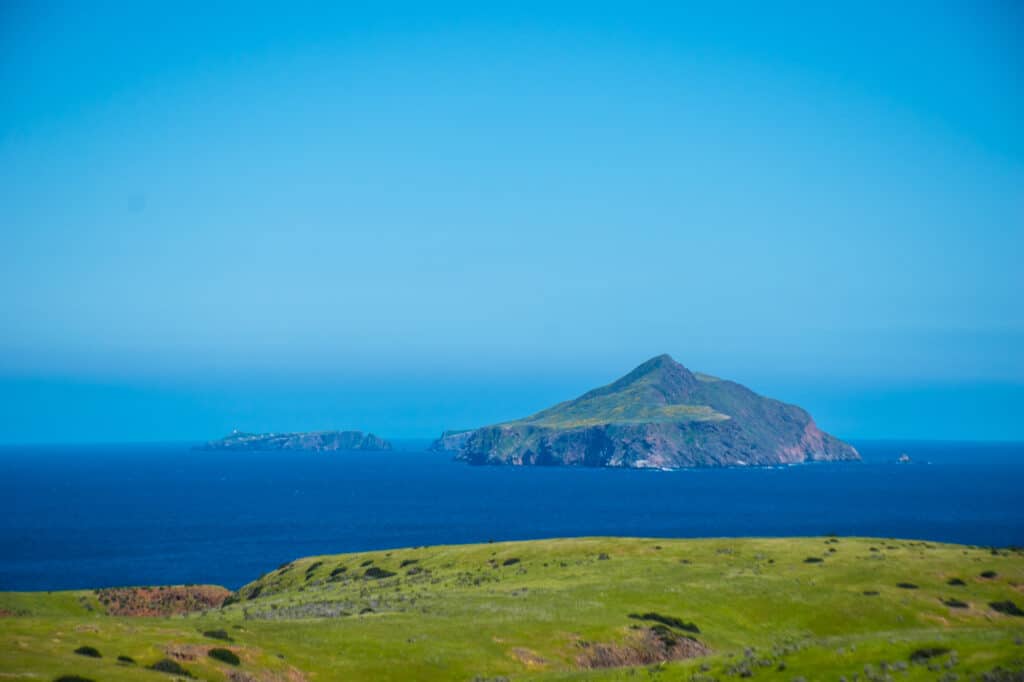
A missed connection on a typical road trip might cost you a few hours. A canceled boat or bush flight in a remote park can cost you the entire visit. Weather regularly affects transportation to places such as Katmai, Lake Clark, Gates of the Arctic, Kobuk Valley, Isle Royale, Dry Tortugas, Channel Islands, and the National Park of American Samoa. Ask me about my tour of towns in northern Alaska, hunting a weather window to get into Kobuk Valley.
Whenever possible, avoid scheduling a remote park excursion on the only day it could happen. Add at least one flexible day before a flight home or another nonrefundable reservation, and find out what the operator does when weather cancels a trip. Some companies will reschedule you, while others may offer a refund without having another available departure during your stay.
Buffer days increase the cost of lodging and meals, but they can protect a much larger investment in airfare, tours, and transportation. If everything operates on schedule, use the extra time to explore the gateway community, revisit a favorite area, or rest between demanding parts of the trip.
Expect Weather, Closures, and Other Unexpected Changes
No matter how carefully you plan, things beyond your control will happen. COVID was a prime example. I had a solid plan to visit my remaining eight parks in 2020 and finish the journey with sunrise mimosas at Haleakala on my 30th birthday. Then COVID arrived.
I tried to salvage as much of the plan as I could. I ended up spending two and a half weeks in Alaska, much of it quarantined in a Juneau hotel room after someone on my small-boat cruise received a false-positive COVID test. My 2021 plans hit another roadblock when I failed to secure a Katmai National Park campground reservation. Eventually, a friend of a friend heard about my predicament and offered me space in a Brooks Lodge room.
The journey through the National Parks can be a wild ride. Weather, injuries, closures, transportation problems, and reservation failures can disrupt even the best plans. Be flexible, get creative, and do not let one unexpected change ruin the entire trip.
Sometimes the solution will come from an unexpected place. You might need a vehicle permitted on an Alaska gravel road, only to meet a woman in a banana suit while hiking at Crater Lake who happens to be moving to Alaska. Three months later, she may agree to meet you in Denali and drive 92 miles into the wilderness with someone she spoke to for only 30 minutes. National Park adventures have a funny way of working out.
Budget for the Full 63-Park Goal
When I decided to visit all the National Parks, I was 19 and in college. I knew it would be a fun way to explore the United States, but I had no idea how much the goal might eventually cost.
Visiting National Parks can be a moderately priced hobby. You can camp instead of booking hotels, drive your own vehicle, buy outdoor equipment on sale, travel during the shoulder seasons, and use airline or credit-card points. But airfare, rental cars, lodging, permits, tours, ferries, and specialized transportation add up across 63 parks.
I do not know exactly what I have spent because I never tracked every expense. I also benefited from working as a traveling field engineer. My job took me across the United States, and when possible, I arranged to spend a weekend near a National Park. I used points for flights and turned several cross-country moves into park road trips.
If I had to estimate, I suspect I have spent between $70,000 and $80,000. That sounds shocking on the surface. But about about about 70 to 80% of my costs were for the eight National Parks in Alaska.
I did nothing cheap in Alaska. There are plenty of ways to do things much cheaper, but I didn’t want to do that and had the cash to do what I wanted. My trips have included a week of backpacking in Gates of the Arctic and Kobuk Valley, four days at Brooks Lodge in Katmai National Park, a custom tour of Lake Clark National Park, and a small-boat cruise to Glacier Bay National Park.
Your total may be much lower or higher. It will depend on where you live, how quickly you pursue the goal, your travel style, and the experiences you choose.
My guess for what it costs to visit all 63 National Parks is:
- Budget: Under $35,000 (Camping, lots of road trips, limited hotel nights, and maximizing credit card points)
- Mid-tier: Between $35,000 and $50,000 (mostly hotels, some premium options, and flying to a good number of parks )
- Luxury: Over $50,000 (mid-tier plus hotels, longer trips, and flying to more parks)
Track Your Travel Budget, Not Every Dollar You Have Ever Spent
When I wrote about the cost of visiting Alaska’s National Parks, I asked several friends what they had spent. Most replied with some version of “I didn’t track it,” “I didn’t want to know,” or “Here is a rough estimate.” One answer stood out: “I didn’t want to know.”
That is essentially how I approached the larger goal. I did not want or need a lifetime total while I was in the middle of the journey. Instead, at the beginning of each year, I created a budget based on my expected income. Along with traditional categories such as housing and food, I set aside a specific amount for travel.
I focused on what I could responsibly spend that year rather than the cumulative cost of every park trip. That allowed me to enjoy the journey without ignoring my finances. You do not necessarily need to track every dollar you have spent since your first park, but you should know what you can afford for the trips you are planning now.
Start Saving for Alaska and Other Remote National Parks
Some of the 63 National Parks are significantly more expensive to reach than others. The parks in Alaska, Hawaii, American Samoa, and the U.S. Virgin Islands are likely to be among the most expensive parts of your journey.
If you are serious about visiting every National Park, start saving for these destinations early. Consider opening a separate travel savings account and automatically transferring a manageable amount after every payday. Even small contributions add up over several years.
Saving $20 a month would give you $1,200 after five years, excluding interest. Saving $100 a month would give you $6,000. Neither amount will necessarily fund every remote trip, but both can provide a valuable head start on airfare, lodging, boat trips, or bush flights.
Look for realistic changes that fit your budget, such as eating at home one extra night a month, bringing lunch instead of buying it, or directing part of a bonus or tax refund to your travel fund. The exact amount matters less than building the habit early. When you finish the easier-to-reach parks, you will already have money set aside for the more complicated ones.
The trips themselves will eventually end, but the photographs, stories, and small reminders you bring home will help preserve the journey.
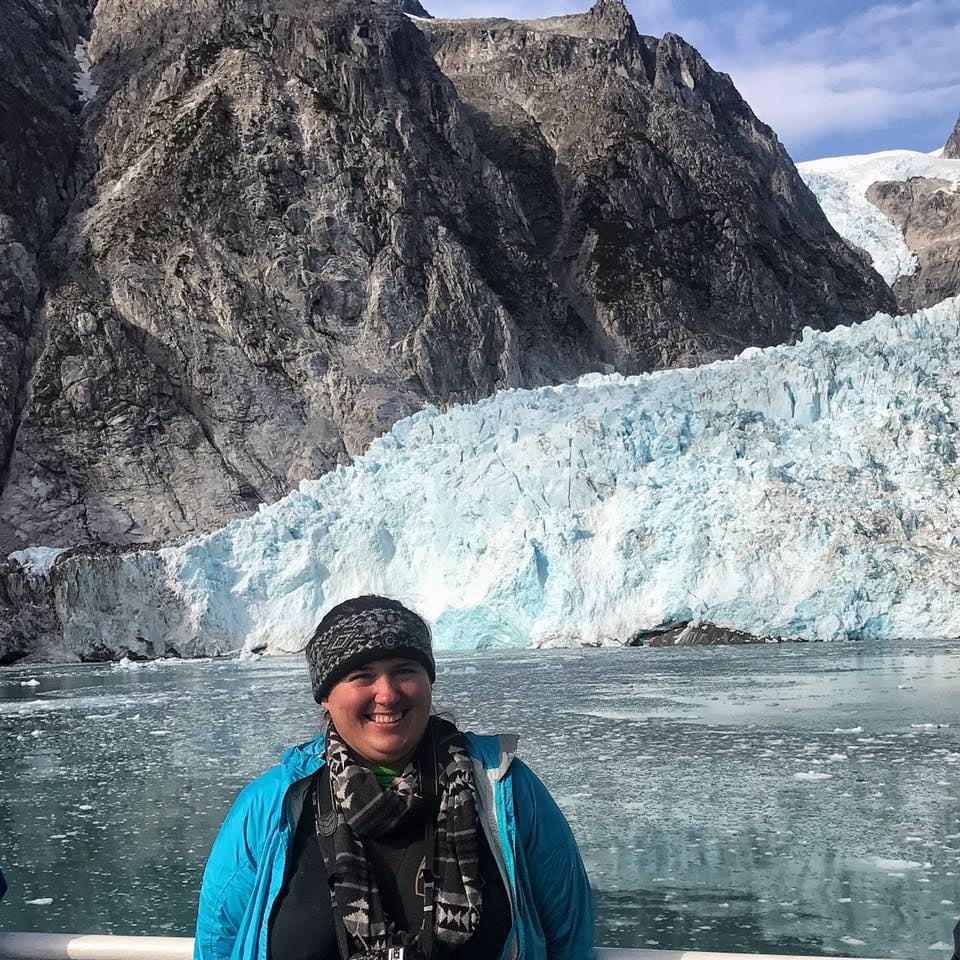
Documenting Your Journey Through All 63 National Parks
Get a National Park Wall Map to Mark off Which Parks You Have Visited
A National Park wall map is one of the most satisfying ways to track your progress toward visiting all 63 National Parks. Unlike a checklist stored on your phone or computer, a wall map gives you a visual reminder of where you have been and how much of the country you have explored.
I use a National Park wall map to mark the parks I have visited. Each time I add another park, I get to watch the map slowly fill in. It also makes it easy to spot geographic gaps and identify parks that could be combined into a future regional trip.
Choose a map you will enjoy displaying for years. Depending on your style, you could use a scratch-off map, sticker map, push-pin map, or framed checklist. Before buying one, make sure it includes all 63 National Parks and can be updated if another park is added.
A wall map does more than count parks. It becomes a visual record of your journey and a conversation piece filled with memories. When you finally mark off your 63rd National Park, you will have something that shows the entire adventure at a glance.
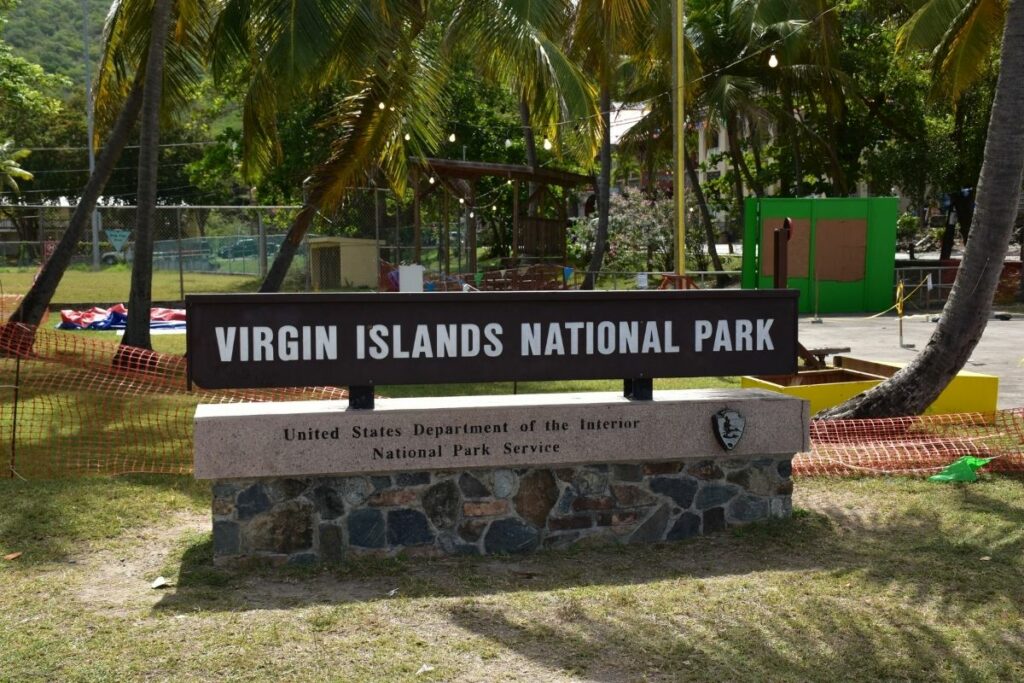
Take a Picture With Every National Park Sign
I hate to admit it, but I did not make a point of taking photos with park entrance signs until I was more than halfway through my list. I have no idea why. At the time, I simply did not care about having them.
Looking back, I regret that decision. Even if you do not think you want an entrance-sign photo, take one anyway. It only takes a couple of minutes, and you will have it if you ever decide to create a photo book, share your progress, or look back on the full journey.
Choose What You Want to Collect Early
Almost every National Park has a gift shop. Some fill an entire room, while others occupy two bookshelves in the corner of a visitor center. No matter the size, you will usually find books, stickers, patches, mugs, shot glasses, T-shirts, ornaments, keychains, and other souvenirs.
I started by collecting T-shirts. Then I realized I owned about 75 shirts between college and the parks, and I was only a sophomore. I switched to postcards, iron-on patches, and stickers. I framed several postcards for my office. The stickers occasionally end up on things like my walking boot or water bottle. I still have not decided what to do with the patches, so they live in a desk drawer.
I suggest choosing something small, lightweight, and usually under $20. Save more expensive souvenirs for especially meaningful parks or items that represent the journey as a whole. The National Park of American Samoa is difficult to reach, so it was worthy of a T-shirt and hat in my book. I also have a National Park wall map that I use to mark the parks I have visited.
Collectible ideas include:
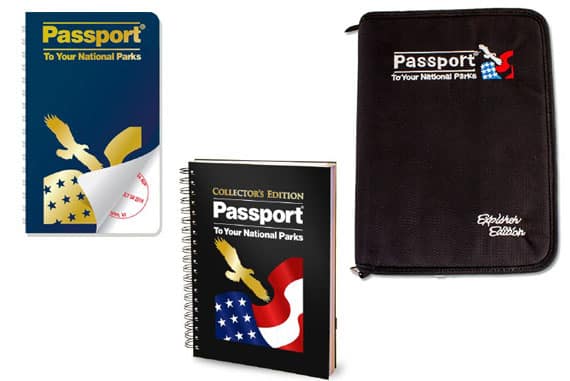
- National Park passport stamps. Learn more about the National Park Passport Program.
- Stickers
- Iron-on patches
- Christmas ornaments
- Shot glasses
- Keychains
Organize and Protect Your Photos After Every Trip
Even a casual photographer can return from a National Park with hundreds of images. Organize your photos as soon as you get home. You will thank yourself later.
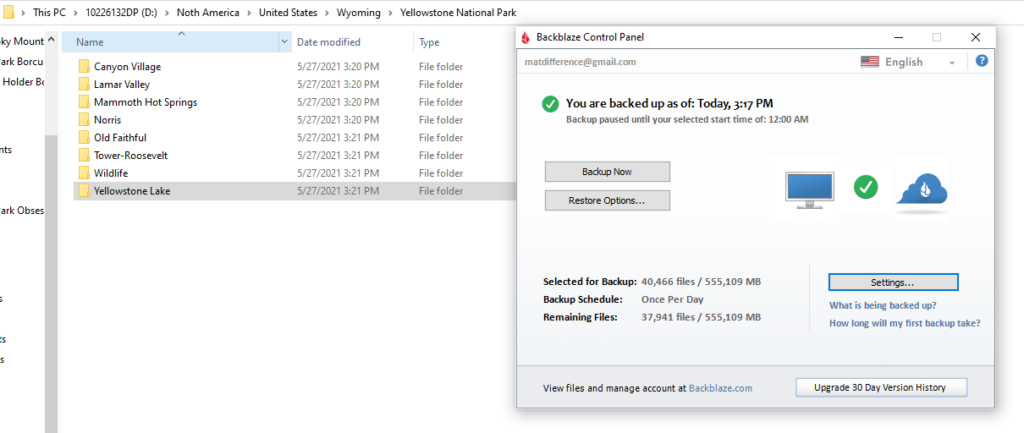
The first thing I do is transfer my images from the SD card to my computer. I rename the files using the year, month, date taken, and image number, and then sort them into folders. My basic folder structure is continent, country, state, general location, and any necessary subfolders.
The subfolders depend on the park. My Pinnacles National Park photos are divided by trail. My Yellowstone landscapes are organized first by region and then by specific area. Wildlife photos are sorted by species and then by location.
I am especially careful about backups because I lost files several years ago. Today, I keep my photos in three places: two separate hard drives and a cloud backup. One hard drive stays connected for everyday access, while the second is stored securely and used only for backups. My cloud service automatically backs up the computer and primary hard drive.
The specific equipment and service matter less than having multiple copies. Ideally, keep at least one backup in a different physical location. A failed computer, damaged drive, theft, or house disaster should not be able to erase years of National Park memories.
Final Thoughts on Things I Wish I Knew Before Trying to Visit All the National Parks
Visiting all 63 National Parks is about much more than reaching a number or checking names off a list. It is about the unexpected wildlife sightings, challenging hikes, scenic drives, travel mishaps, new friendships, and quiet moments that stay with you long after the trip ends.
Your journey will not look exactly like mine, and it should not. Set your own rules, travel at your own pace, and focus on the experiences that make each park meaningful to you. Plans will change, the list may grow, and some parks will require more time, money, and patience than you expected. That is all part of the adventure.
I hope the lessons I have learned can help you avoid a few of my mistakes, plan more confidently, and have an incredible journey through the National Parks. Most importantly, remember to slow down and enjoy the park you are visiting instead of becoming too focused on the next one.
If you have visited all 63 National Parks, what would you add to this list? And if you are still working toward all 63, how many have you visited, and which National Park is next?
Save of Later: 21 Things I Wish I Knew Before Trying to Visit All the National Parks

Hi, I'm Jennifer!
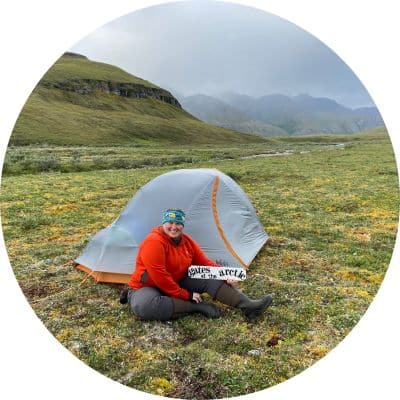
Welcome to the wonderful world of National Parks. I'm here to help you plan your NEXT amazing adventure through the United States National Parks and beyond. I want the national parks to be accessible to all.
I live in Tennessee, and when I'm home, you can find me hiking in the Smokies and the Cumberland Plateau.
58/63 National Parks
250+/423 National Park Units
Want to know more? Start Here.
Snag one of my National Park Ebooks and Downloadable Itineraries
Talk with an Expert
Share your love of the parks with a shirt, ornaments, hoodies, frames, and more.


4 Comments
Chris Henrich
I love this- thank you!! My latest problem is I love Katmai National Park so much I keep going back (which eats up my budget for continuing to explore additional NPs). I’m thinking this is a pretty great problem to have. 🙂
Jennifer Melroy
I can see how Katmai can make that happen.
MIKE BUSCHEL,DVM
I really enjoyed reading your article! Much of your wisdom I have pieced together over my own trips. I have 42 of 63 so far, still so many to go. most are the big trips ( HAWAII, another 2 visits to ALASKA, SAMOA) I like to inform family and friends about planned trips and surprisingly many choose to come along. once they do one they get hooked. i collect hat pins , you are correct about sign photos, luckily most of mine i am in the shot. GOOD LUCK ON THE FINAL LEGS OF YOUR QUEST. SAFE TRAVELS!
Jennifer Melroy
Best of luck with your last parks. It’s been a huge adventure.